Chinese
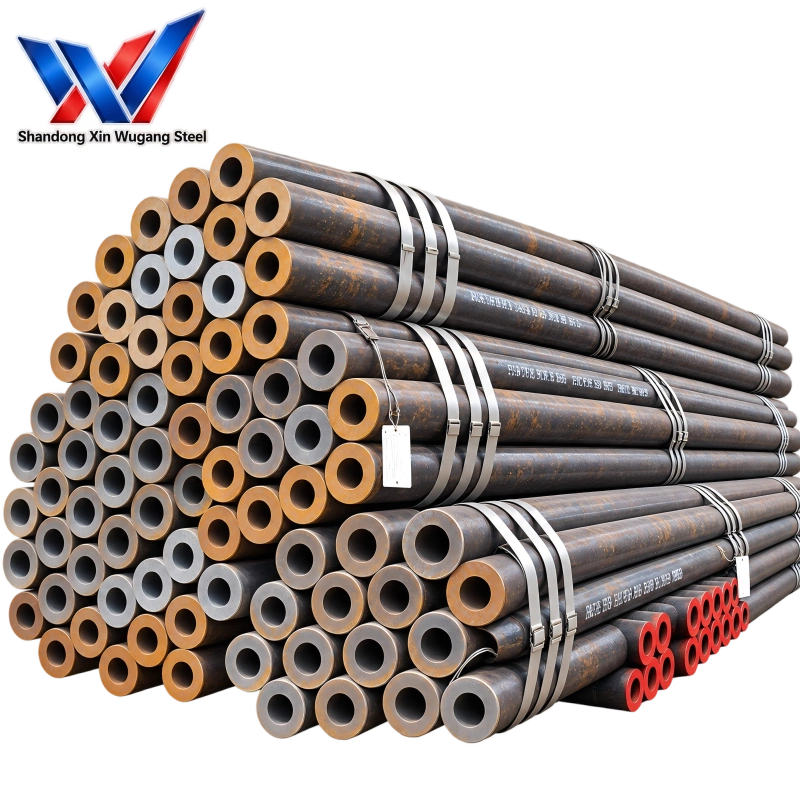
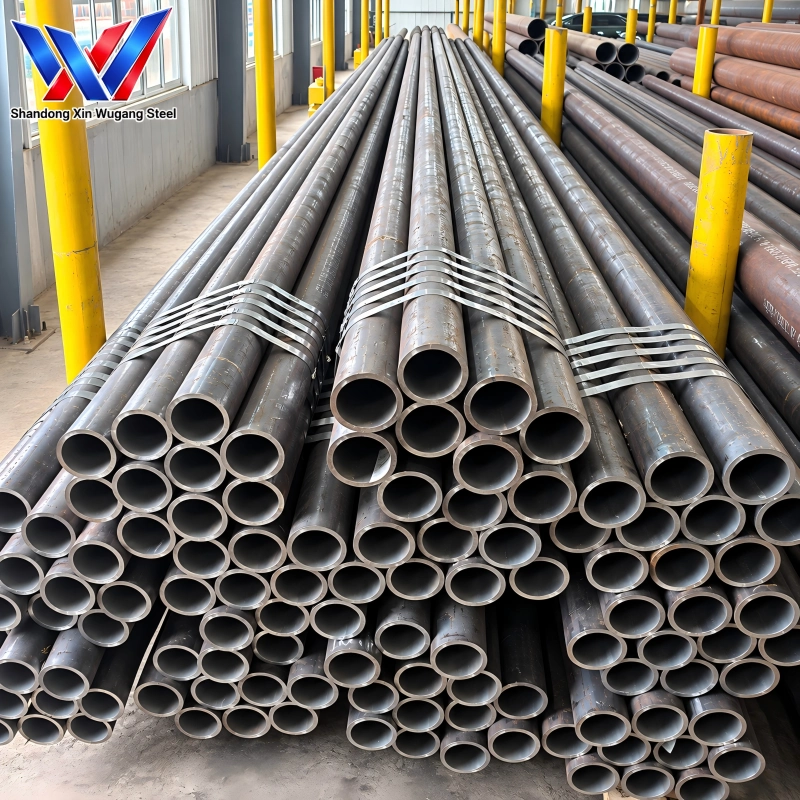
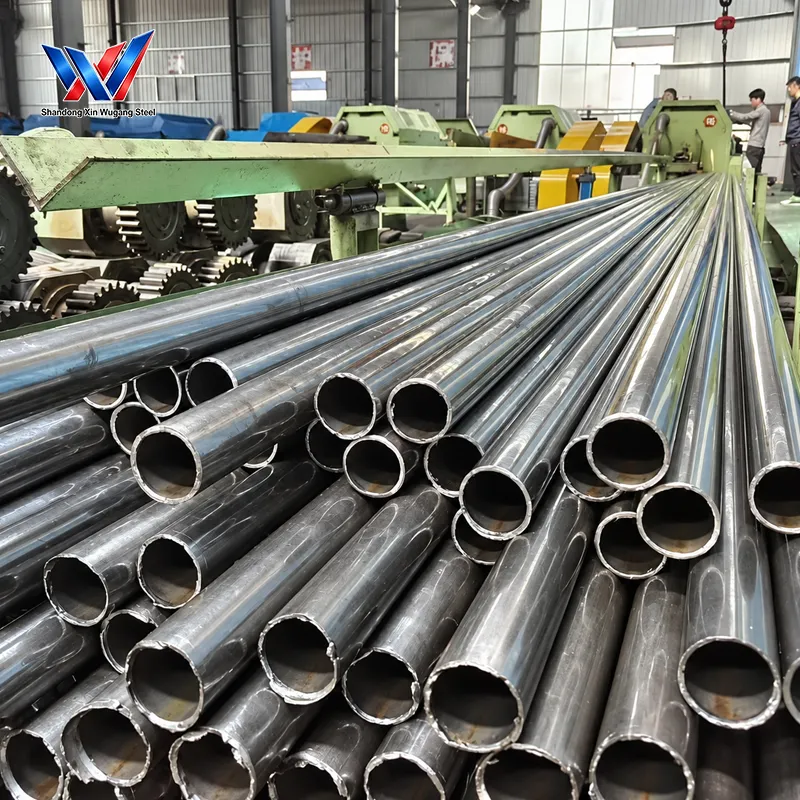
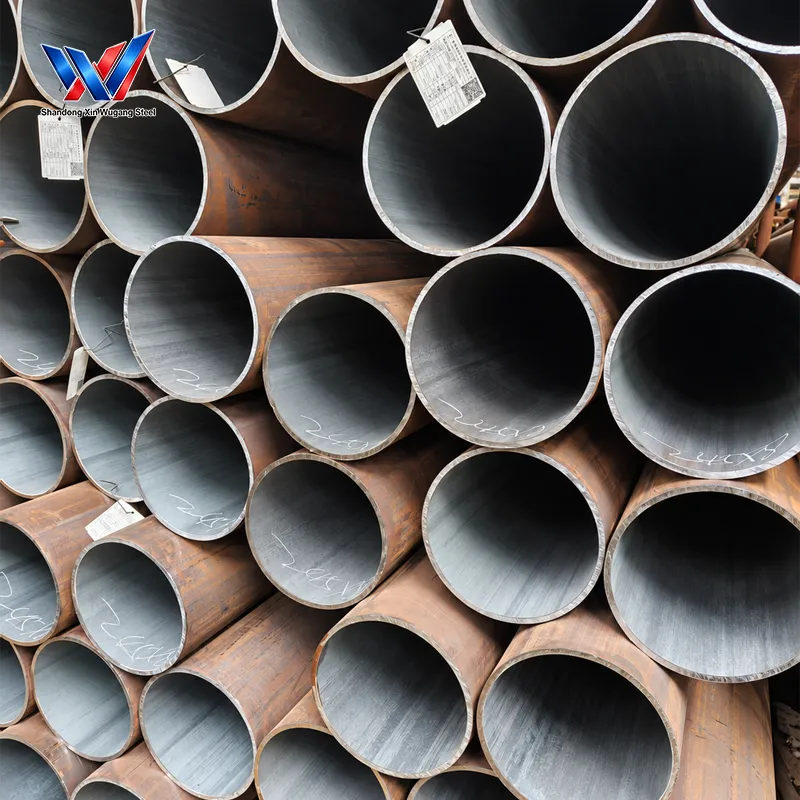
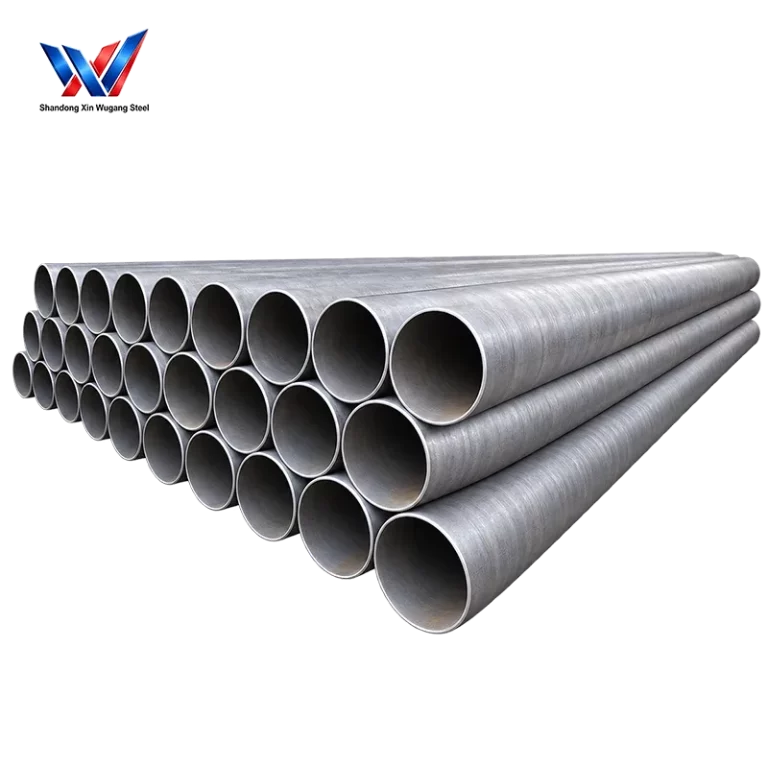
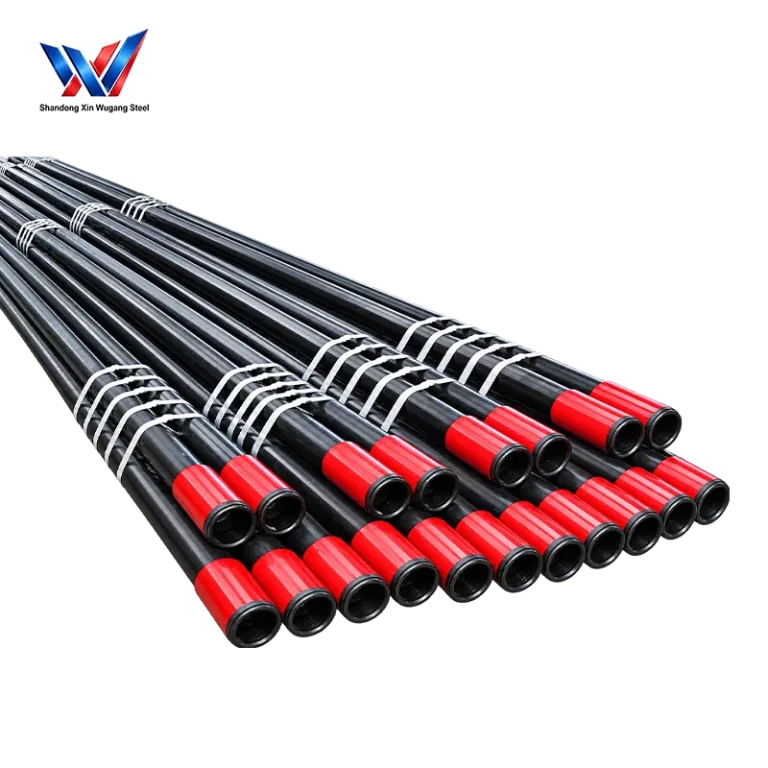
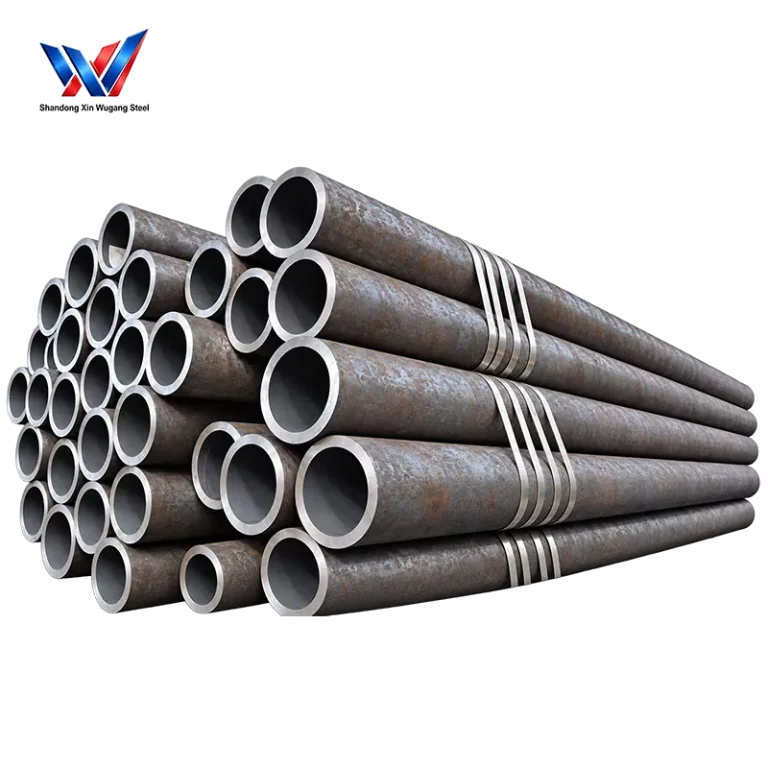
ASTM A333 Gr.1 Gr.6 Carbon Steel Seamless Pipe | Low Temperature Service Seamless Tube
- Designed for low-temperature service with improved impact toughness
- Grade 1 and Grade 6 cover moderate and lower temperature operating conditions
- Seamless structure ensures high reliability for cryogenic and pressure applications
- Suitable for LPG, nitrogen, cold air and low-temperature hydrocarbon systems
- Full dimensional inspection and Charpy impact test available
 Contact Us


Product Overview
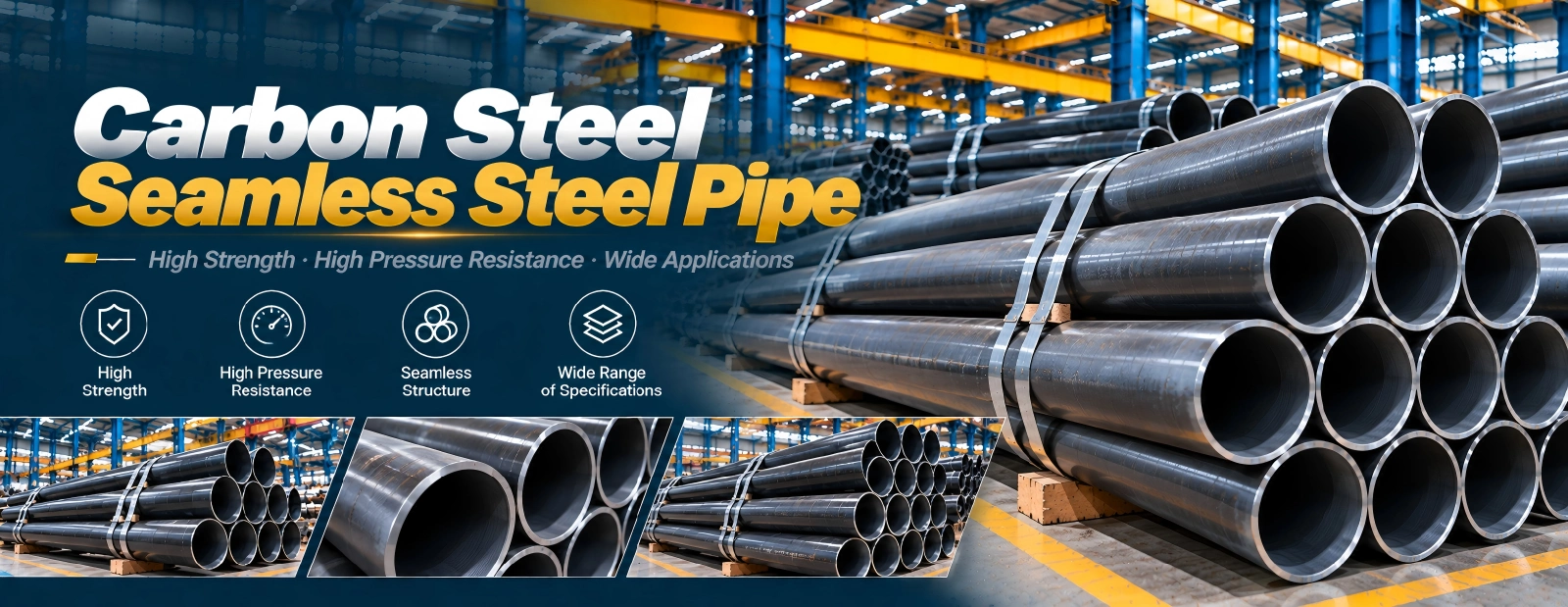
ASTM A333 Grade 1 and Grade 6 are low-temperature carbon steel seamless pipes specially developed for sub-zero operating conditions. Unlike standard carbon steel, these grades are designed to maintain good toughness and resist brittle fracture at lower temperatures, making them critical materials for cold region projects, cryogenic equipment and low-pressure low-temperature piping systems.
Grade 1 is a lower-strength low-temperature grade suitable for moderately cold environments, while Grade 6 offers higher strength and better toughness for more demanding cryogenic applications. Both grades are produced by seamless hot rolling and cold finishing processes, and are supplied with normalized or quenched and tempered heat treatment depending on grade and wall thickness.
These pipes are widely used in LPG storage facilities, nitrogen pipelines, cold air ducts, refinery low-temperature lines, cryogenic heat exchangers and auxiliary piping for low-temperature equipment. They are especially suitable for projects where operating temperature drops below the ductile-brittle transition range of ordinary carbon steel.

Chemical & Mechanical Property Snapshot
Detailed Technical Specifications
Shape Table
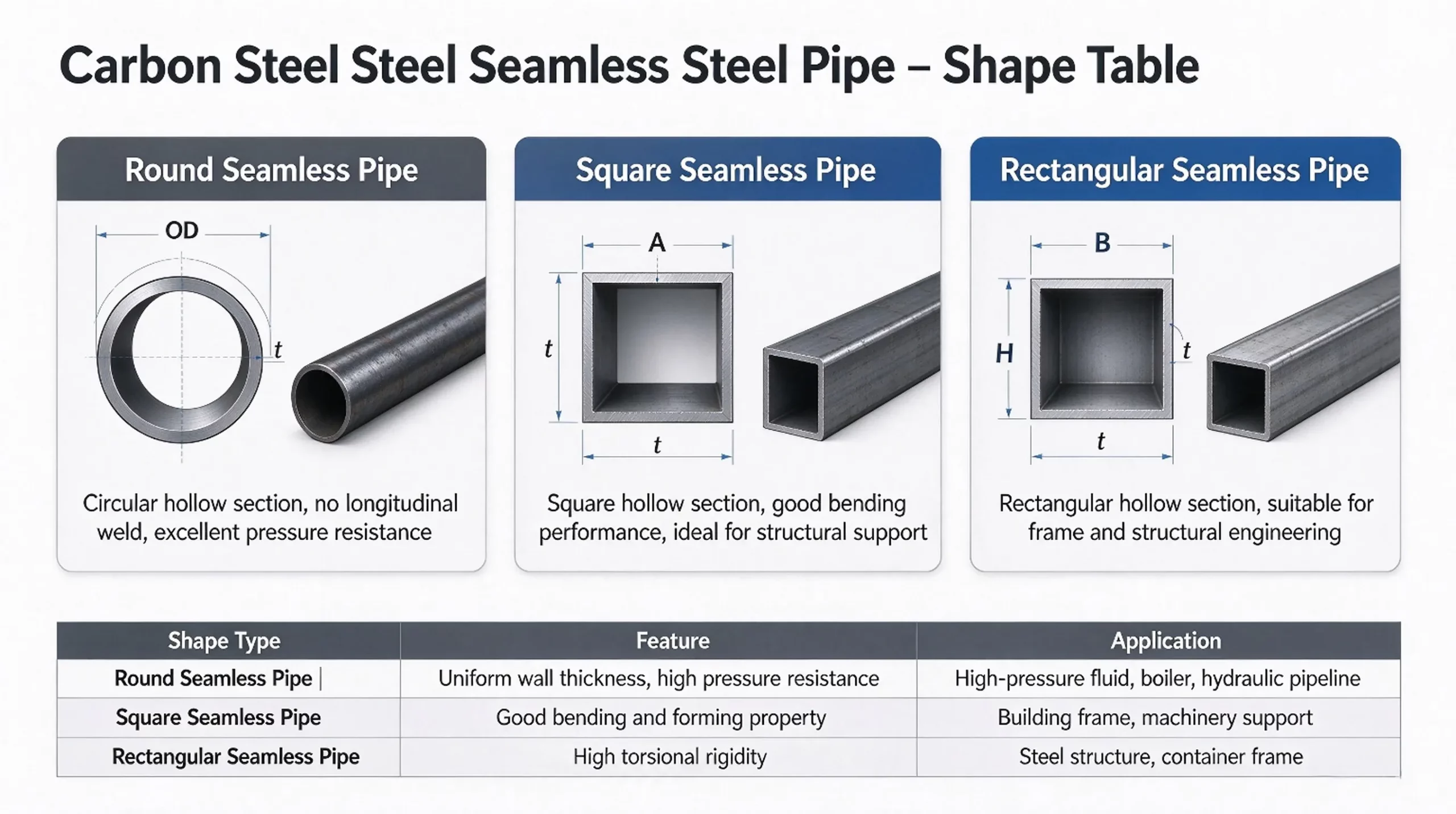
Dimension Table
Product Comparison Table
App Market
Reliable Steel Coil Solutions For Diverse Industrial Applications

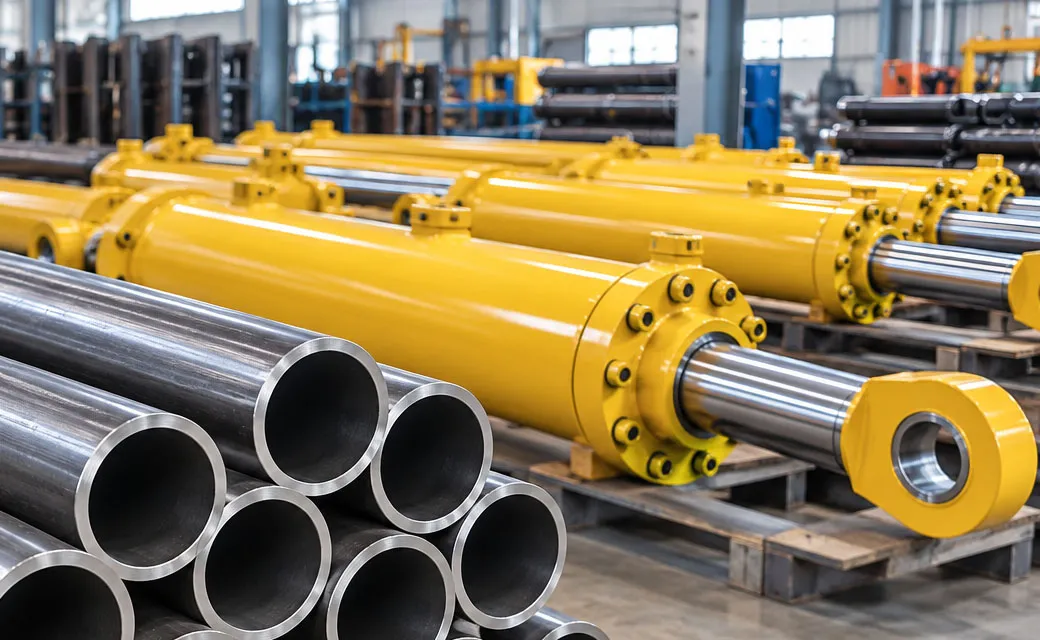
Hydraulic and Pneumatic Cylinder Tubes
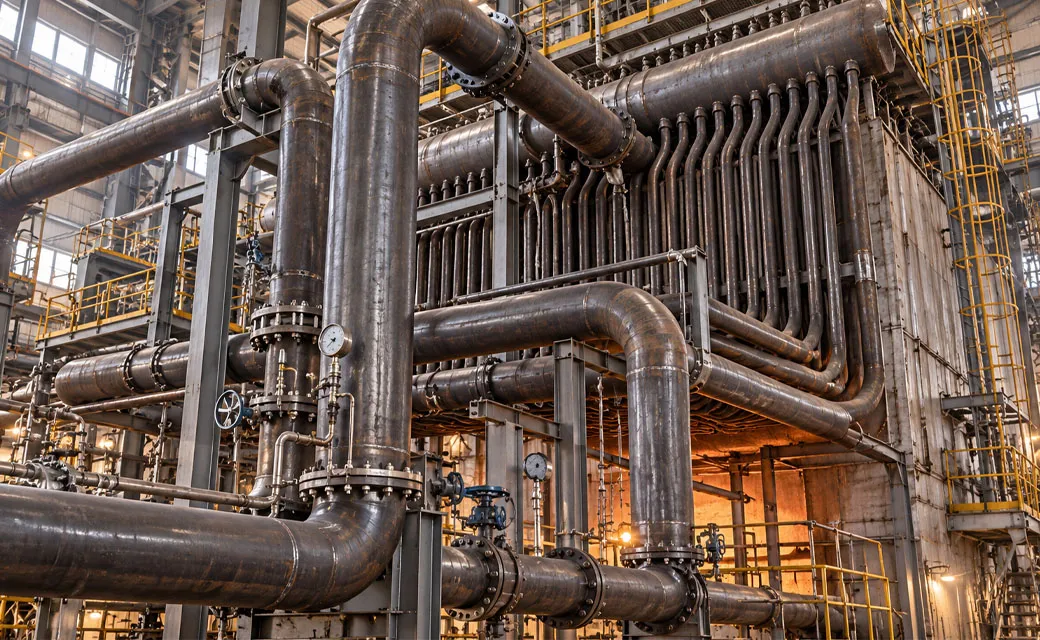
Boiler Superheater Tubes
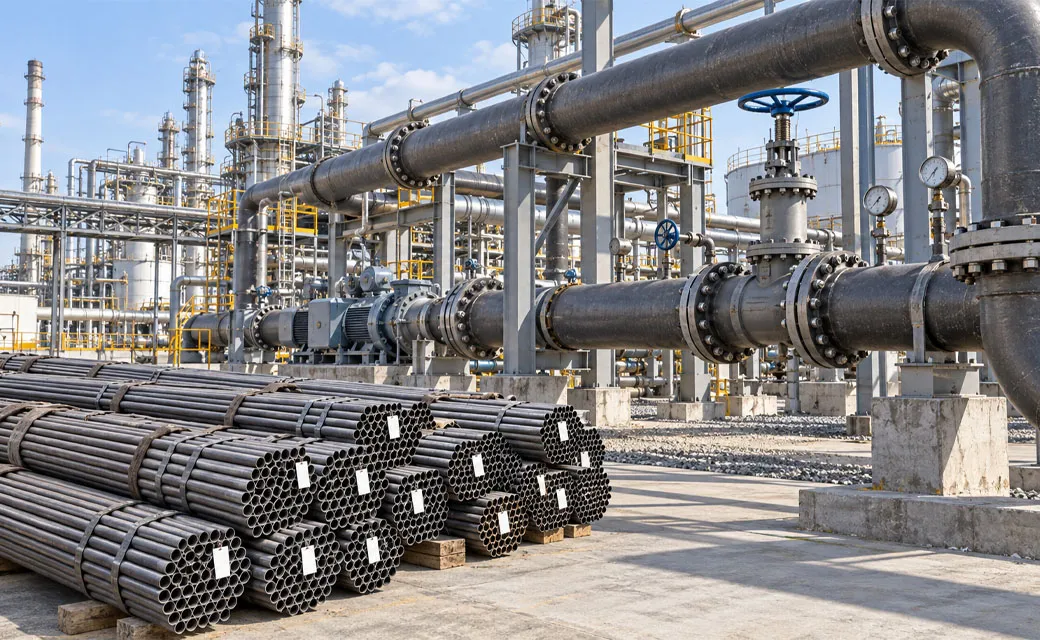
High-Pressure Fluid Conveying
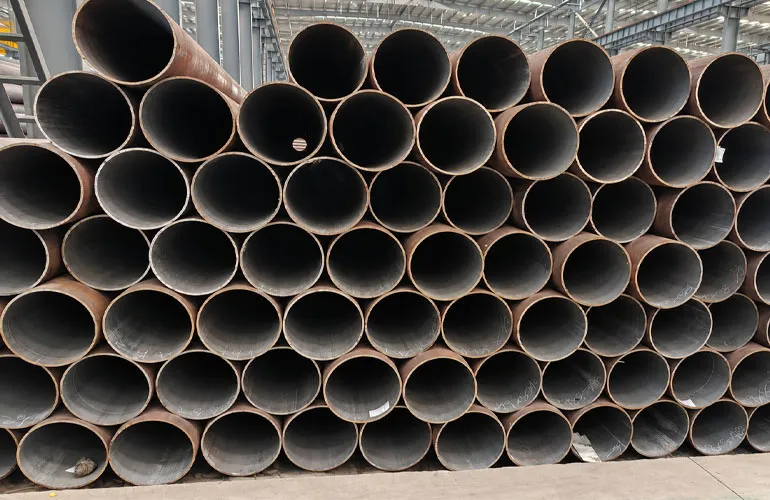
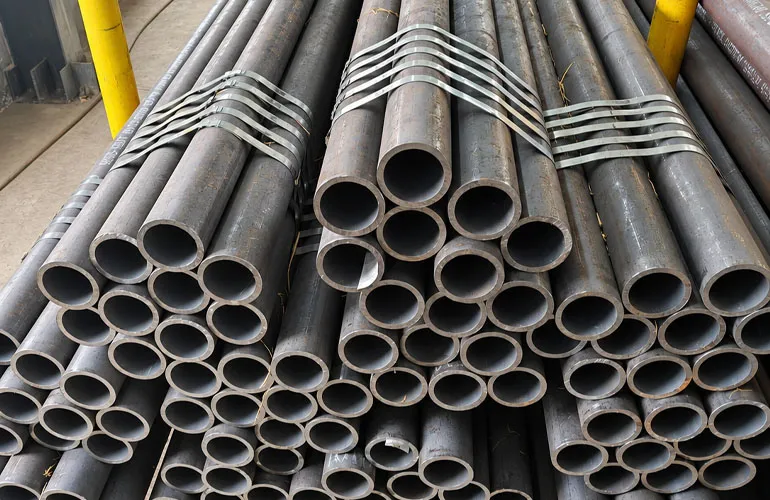
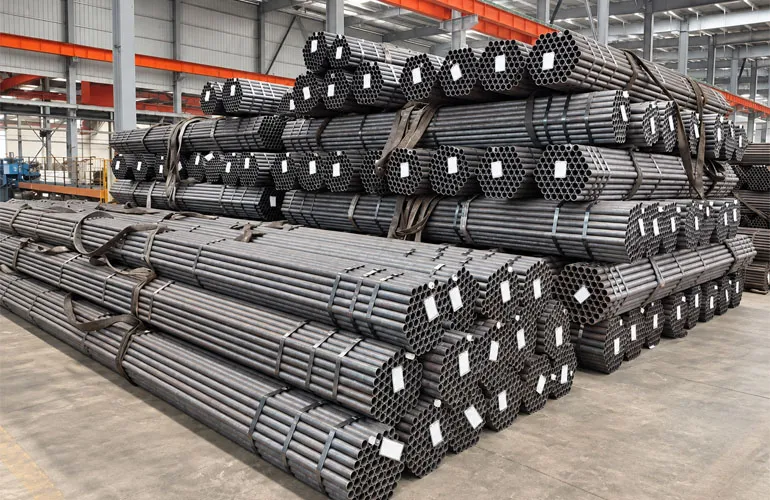
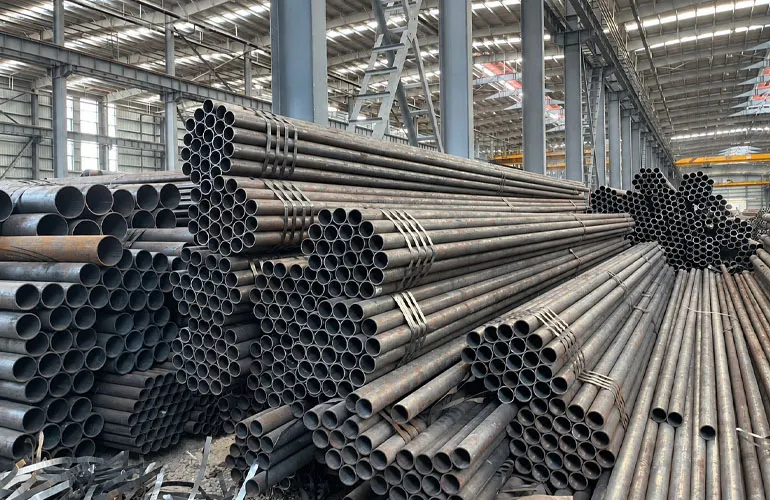
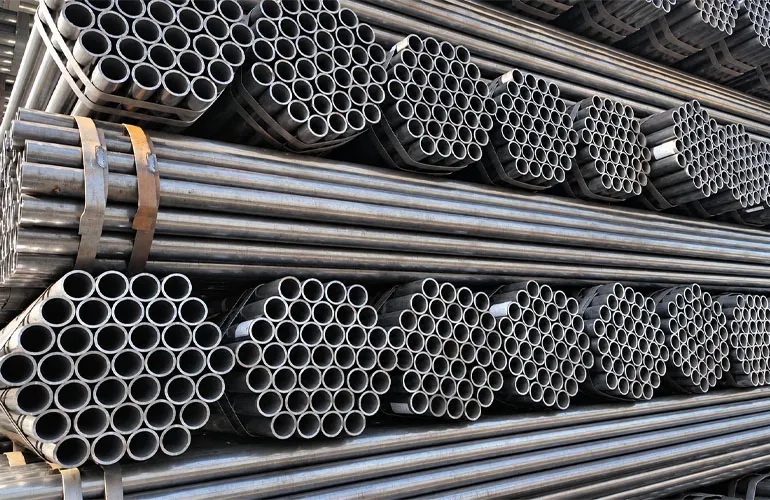
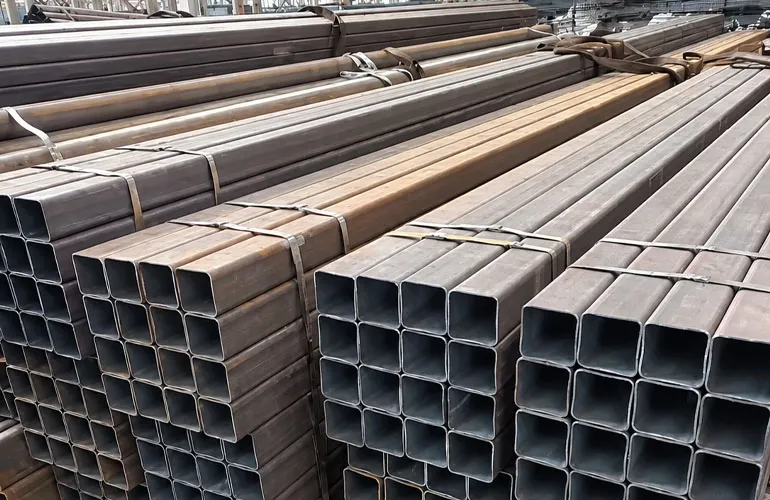
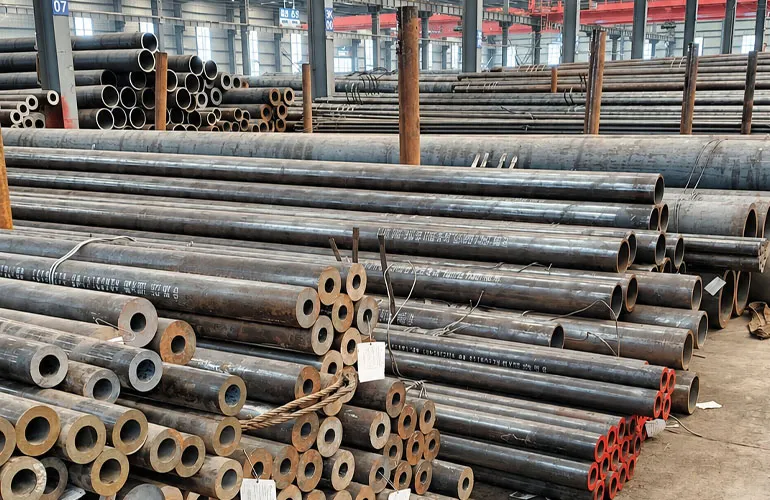
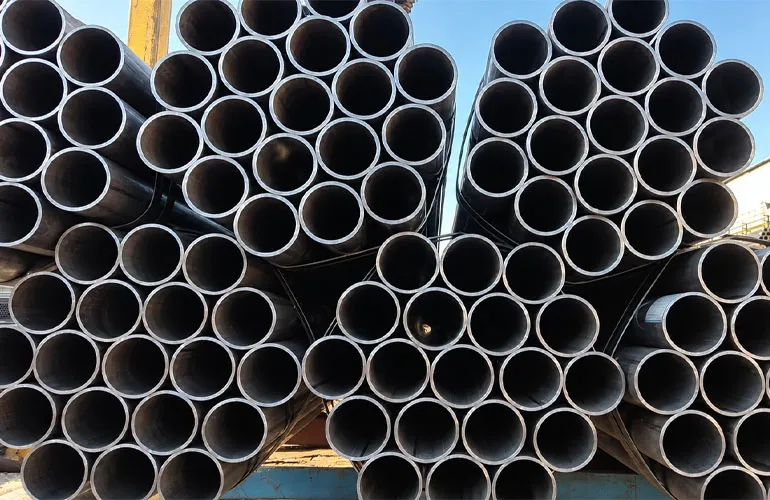
Product Packaging
Secure Export Packaging For Safe Handling And Delivery

FAQs

Grade 6 is used for low-temperature piping and equipment where higher toughness and strength are required.
Grade 6 has higher manganese content, strength and toughness, while Grade 1 is a more economical low-temperature option.
Yes. A333 grades are specifically intended for low-temperature service, but final temperature limits should be confirmed by engineering design
The MOQ is 5 ton for standard sizes.
Delivery time is about 10–20 working days after deposit, depending on size and quantity.
Related Projects
Steel And Metal Materials Supplied To Projects Worldwide.
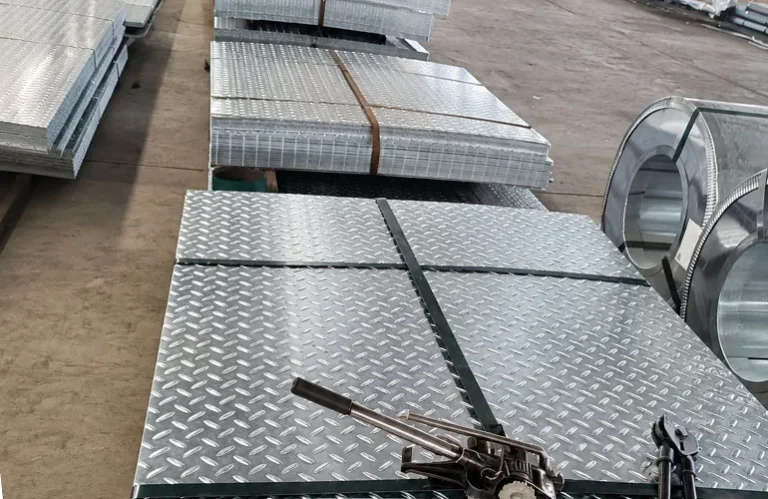
Vietnam Binh Duong Foreign-Invested Industrial Park Project
A large-scale foreign-invested smart manufacturing industrial park was developed in Binh Duong Province, Vietnam. The project included three large-span steel structure workshops w…


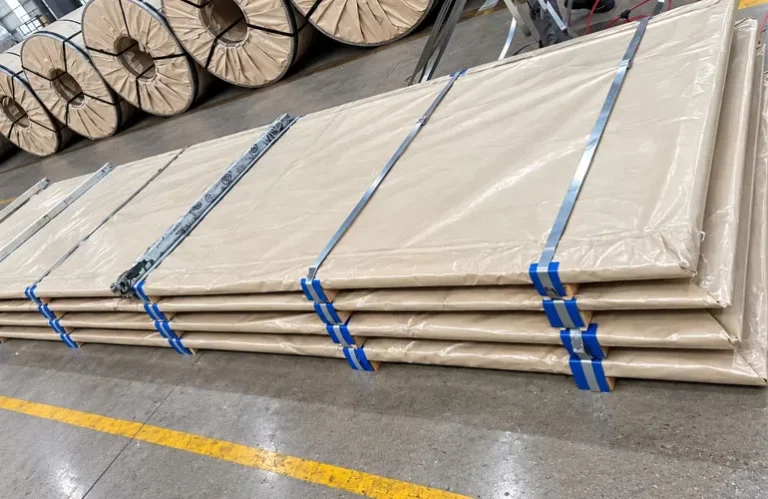
Texas Commercial Warehouse & Logistics Center Project, USA
A large-scale e-commerce logistics center was constructed near Houston, Texas, USA, featuring a single-story large-span steel structure designed for modern warehousing and distribu…
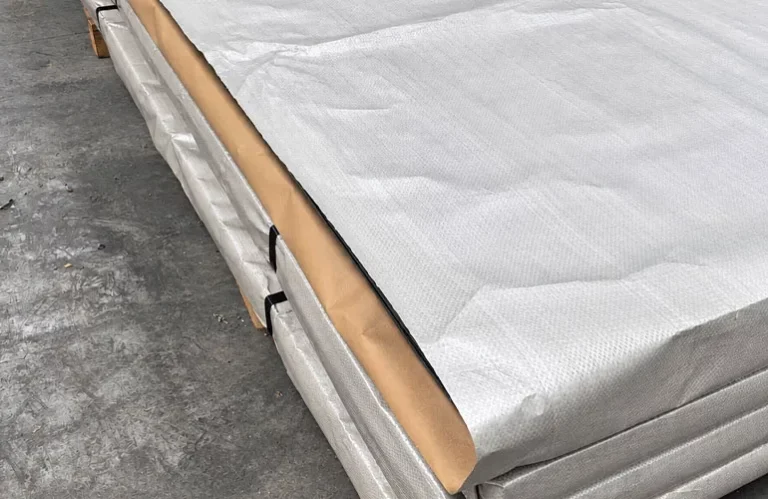
Middle East Petrochemical EPC Project
A petrochemical EPC project in the Middle East involved the construction of new raw material storage tanks and shell-and-tube heat exchanger systems for an oil refining supporting …