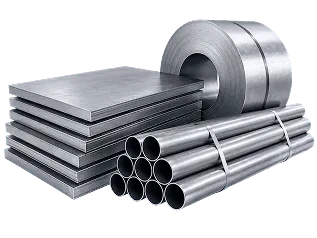
Stainless Steel Plate Grades: 304, 316, Thickness, Finishes, and Industrial Applications
Choosing the wrong stainless steel grade can lead to corrosion problems, unnecessary material costs, and fabrication delays. With so many grades and surface options available, buyers need more than a low quotation. Understanding stainless steel plate grades, working conditions, and application requirements helps you select the right material before placing an order.
A stainless steel plate is a flat metal product made from corrosion-resistant steel. Common grades include 304, 316, 321, 310S, 201, 430, 2205, 2507, and 904L. These grades differ in chemical composition, corrosion resistance, strength, and temperature performance. Buyers should select the grade according to the operating environment, applicable standard, thickness, and fabrication requirements.
1. What Is Stainless Steel Plate?
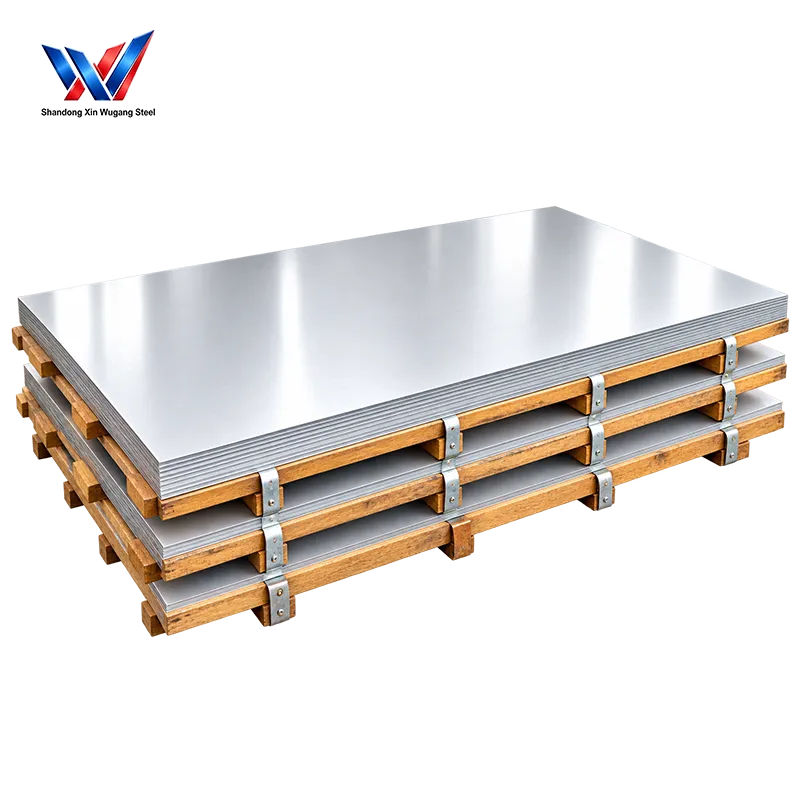
Stainless steel plate is a flat-rolled metal product made from an iron-based alloy containing chromium. Chromium helps form a thin protective oxide layer on the surface. This layer supports corrosion resistance and helps protect the material from many forms of environmental damage.
Stainless steel plates are available in different grades, thicknesses, widths, lengths, and surface finishes. Depending on the manufacturing process and product specification, buyers can choose hot-rolled plates, cold-rolled sheets, or checkered plates. Each type serves different industrial needs.
Unlike ordinary carbon steel, stainless steel is often selected when equipment or structures face moisture, chemicals, food-processing conditions, or other environments where corrosion resistance is important. However, no single grade is suitable for every environment. The correct choice depends on the medium, temperature, chloride exposure, cleaning process, and service life requirements.
Common stainless steel plate categories include:
- Austenitic stainless steel: Includes 304, 304L, 316, 316L, 321, and 310S. These grades are widely used in chemical equipment, food processing, marine-related applications, and industrial fabrication.
- Ferritic stainless steel: Includes 430 and other ferritic grades. These materials are used in selected industrial, decorative, and equipment applications.
- Duplex stainless steel: Includes 2205 and 2507. These grades combine austenitic and ferritic structures and are used where higher strength and corrosion resistance are required.
- Special corrosion-resistant grades: Includes 904L and other grades designed for demanding chemical environments.
For industrial buyers, stainless steel plate selection should begin with the working conditions rather than the grade name alone. A material that performs well in a general indoor environment may not be suitable for a chloride-rich or high-temperature process.
2. What Are the Main Stainless Steel Plate Grades?
Different stainless steel grades contain different amounts of chromium, nickel, molybdenum, carbon, and other alloying elements. These differences affect corrosion resistance, mechanical behavior, weldability, and temperature performance.
The following grades are included in Xin Wugang’s stainless steel plate supply range. Their suitability should be checked against the project specification and applicable product standard.
| Stainless Steel Grade | General Characteristics | Typical Application Areas |
|---|---|---|
| 201 | Austenitic grade with lower nickel content than 304 | Selected general fabrication and decorative applications |
| 304 / 304L | General-purpose corrosion-resistant grades | Food processing, equipment, tanks, and general industrial fabrication |
| 316 / 316L | Molybdenum-containing grades with improved resistance to many chloride environments | Chemical processing, marine-related equipment, and industrial tanks |
| 321 | Titanium-stabilized austenitic grade | Selected elevated-temperature and welded equipment applications |
| 310S | High-alloy austenitic grade designed for elevated-temperature service | Furnaces, heat-treatment equipment, and high-temperature components |
| 430 | Ferritic stainless steel | Appliances, selected equipment, and decorative applications |
| 2205 | Duplex stainless steel with higher strength and good corrosion resistance | Chemical processing, marine, and pressure-related equipment |
| 2507 | Super duplex stainless steel for demanding corrosion conditions | Offshore, chemical, and other severe service environments |
| 904L | High-alloy austenitic stainless steel | Selected aggressive chemical environments |
A common mistake is to select stainless steel only by its purchase price. A lower-cost grade may be suitable for a mild environment but could require more maintenance or earlier replacement in a demanding application. On the other hand, choosing a highly alloyed grade when it is not needed can increase material costs without providing useful additional performance.
Before choosing a grade, consider:
- The type of liquid, gas, or material in contact with the steel.
- Operating and cleaning temperatures.
- Chloride, acid, or other chemical exposure.
- Required strength and fabrication method.
- Applicable design codes and inspection requirements.
3. What Is the Difference Between 304 and 316 Stainless Steel Plate?
304 and 316 are two of the most widely used austenitic stainless steel grades. Both offer good corrosion resistance and are used in many industrial applications. However, their chemical compositions are different, which affects their performance in certain environments.
The main difference is that 316 stainless steel contains molybdenum, which improves its resistance to pitting and crevice corrosion in many chloride-containing environments. This makes 316 a common option for marine-related equipment, chemical processing, and applications exposed to salt or certain cleaning chemicals.
| Comparison | 304 Stainless Steel | 316 Stainless Steel |
|---|---|---|
| Main alloy system | Chromium-nickel | Chromium-nickel-molybdenum |
| Molybdenum | Not intentionally added as a main alloying element | Typically around 2–3%, depending on specification |
| General corrosion resistance | Good in many everyday industrial environments | Improved resistance in many chloride environments |
| Common applications | Tanks, food equipment, general fabrication | Chemical equipment, marine-related components, selected process systems |
| Relative material cost | Usually lower | Usually higher |
The low-carbon versions, 304L and 316L, are often considered for welded structures and equipment. Their lower carbon content helps reduce the risk of sensitization during certain welding conditions. However, the final selection should still follow the welding procedure and engineering requirements.
When should you choose 304?
304 may be suitable for general industrial equipment, food-processing machinery, storage tanks, and fabricated components where the environment does not require the added chloride resistance of 316.
When should you choose 316?
316 may be more suitable when the material faces saltwater exposure, chloride-containing solutions, or certain chemical environments. It is not completely immune to corrosion, and severe conditions may require duplex or other higher-alloy materials.
The best way to compare these grades is to review the actual operating medium, temperature, concentration, and maintenance conditions. A grade recommendation should be based on these details rather than a general statement that one grade is always better.
4. How Do Hot-Rolled and Cold-Rolled Stainless Steel Plates Differ?
Hot-rolled and cold-rolled stainless steel plates are produced through different rolling processes. These processes affect the product’s surface condition, dimensional control, available thickness range, and typical applications.
Hot-rolled stainless steel plate is produced by rolling steel at high temperatures. It is commonly used for thicker products and industrial components where structural performance and fabrication requirements are more important than a highly smooth surface. Depending on the process, the surface may have an oxide layer or require further treatment.
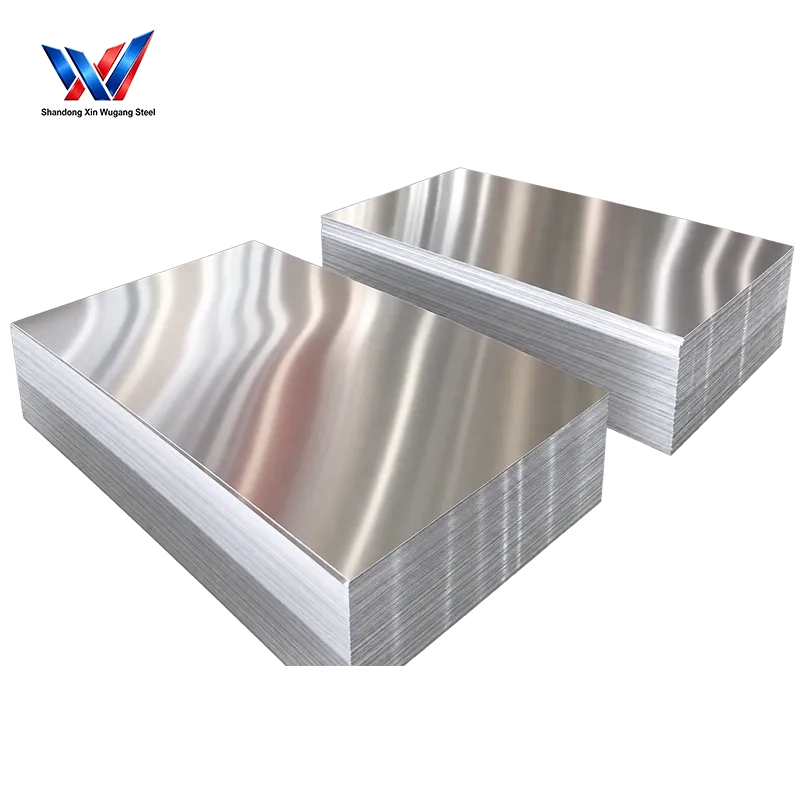
Cold-rolled stainless steel sheet and plate undergo additional rolling at or near room temperature after hot rolling. This process can provide better dimensional control and a smoother surface. Cold-rolled products are often selected for applications where appearance, surface condition, or tighter dimensional requirements matter.
| Factor | Hot-Rolled Stainless Steel | Cold-Rolled Stainless Steel |
|---|---|---|
| Manufacturing process | Rolled at high temperature | Further rolled at or near room temperature |
| Typical thickness range | Often available in thicker sections | Often used for thinner products |
| Surface appearance | May have a mill-scale or treated surface | Generally smoother |
| Dimensional control | Depends on grade and product standard | Often tighter |
| Typical uses | Industrial equipment, tanks, structural fabrication | Equipment panels, precision components, formed products |
Neither process is automatically the better choice. A buyer should compare the specified thickness, surface finish, dimensional tolerance, and fabrication method.
For example, a thick plate for a chemical tank may require a different supply form from a thin sheet used for equipment covers. The purchase specification should state the required rolling condition and finish clearly.
5. How Do You Select the Right Stainless Steel Plate Thickness?
Thickness affects the weight, stiffness, fabrication process, and cost of stainless steel plate. A plate that is too thin may not meet the engineering requirements. A plate that is too thick may increase material costs, transport expenses, and processing time.
The correct thickness should come from the design calculation or approved project specification. Engineers may need to consider:
- Internal or external pressure.
- Applied loads and structural support conditions.
- Operating temperature.
- Corrosion allowance, where required.
- Welding and forming methods.
- Applicable pressure vessel or structural design codes.
For example, a stainless steel plate used in a storage tank may need to meet specific pressure, temperature, and corrosion requirements. A plate used for a machine cover may have very different design needs.
Buyers should also confirm the following dimensions:
| Specification | Information to Provide |
|---|---|
| Thickness | Nominal thickness in mm or inches |
| Width | Required plate width |
| Length | Standard or custom length |
| Tolerance | Applicable dimensional tolerance |
| Quantity | Number of plates or total tonnage |
| Grade | Exact grade and product standard |
Do not rely only on general thickness recommendations found online. The final plate specification should match the approved drawing and engineering requirements.
When requesting a quotation, provide the full dimension format, such as thickness × width × length, and state whether the dimensions are nominal or subject to a specific tolerance.
6. What Surface Finishes Are Available for Stainless Steel Plate?
Surface finish affects appearance, cleaning, fabrication, and sometimes the suitability of a stainless steel product for a specific process. Buyers should select the finish according to the intended application and confirm that it is available for the required grade and dimensions.
Common surface conditions include:
- Hot-rolled and pickled: A common industrial surface condition after oxide removal.
- Cold-rolled finish: A smoother surface produced through cold rolling.
- Brushed finish: A directional surface appearance used in selected equipment and architectural applications.
- Polished finish: A smoother or more reflective surface, depending on the polishing process.
- Checkered finish: A raised pattern designed to provide improved surface grip in selected flooring and platform applications.
Xin Wugang’s product range includes hot-rolled, cold-rolled, and stainless checkered plate. Other surface treatments, such as polishing or brushing, should be confirmed according to the required grade, thickness, and processing arrangement.
For industrial projects, surface finish should not be treated as a purely visual choice. It may affect cleaning, product contact, surface preparation, coating, and later fabrication. If the material will be welded, machined, or further treated, discuss the processing sequence before ordering.
7. What Are the Main Industrial Applications of Stainless Steel Plate?
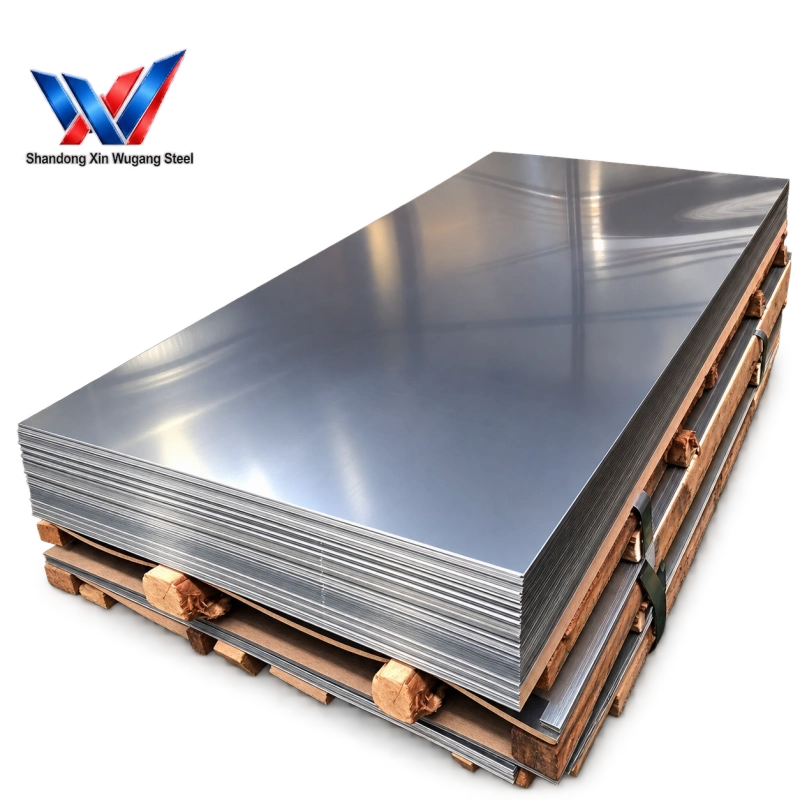
Stainless steel plate is used in many industries because different grades can provide a useful combination of corrosion resistance, strength, and fabrication flexibility. The correct grade depends on the service environment and the product’s design requirements.
Chemical and Petrochemical Equipment
Chemical plants may use stainless steel plate for tanks, process equipment, heat exchangers, and other fabricated components. Grade selection depends on the chemicals, concentration, temperature, and operating conditions. For aggressive media, 316L, duplex grades, or higher-alloy materials may need evaluation.
Food Processing and Industrial Equipment
Food-processing facilities use stainless steel in selected tanks, conveyors, equipment housings, and processing components. Material selection should consider food-contact requirements, cleaning chemicals, temperature, and surface finish. The grade alone does not establish compliance with food-contact regulations.
Marine and Offshore Applications
Marine equipment may face salt spray, seawater, and chloride exposure. These conditions can increase the risk of localized corrosion. Depending on the application, 316L, 2205, 2507, or other approved grades may be considered.
Machinery and Manufacturing
Machinery manufacturers use stainless steel plate for frames, guards, housings, machine components, and fabricated assemblies. Buyers may focus on grade, thickness, flatness, cutting accuracy, and welding requirements.
Pressure Vessels and Process Systems
Pressure-related equipment requires careful material selection. The plate must meet the applicable material standard and the design code. Temperature, pressure, corrosion conditions, and inspection requirements should all be confirmed before ordering.
For project procurement, it is often useful to prepare a material schedule that lists each component, grade, dimensions, quantity, and required documentation. This helps reduce specification errors and makes supplier quotations easier to compare.
8. How Do Duplex and Heat-Resistant Stainless Steel Grades Compare?
Some industrial environments require more than general-purpose stainless steel. High chloride exposure, elevated temperatures, or demanding process conditions may require specialized grades.
Duplex stainless steel has a mixed austenitic-ferritic microstructure. Grades such as 2205 and 2507 are known for higher strength than many common austenitic grades and good resistance to several forms of corrosion. They are used in selected offshore, chemical, and process equipment applications.
Heat-resistant stainless steel is selected for elevated-temperature service. Grade 310S is a common example used in certain furnace, heat-treatment, and high-temperature equipment applications. Grade 321 is also used in selected elevated-temperature and welded applications because it is titanium-stabilized.
| Grade | Main Characteristic | Application Considerations |
|---|---|---|
| 2205 | Duplex structure, higher strength, good corrosion resistance | Chemical, marine, and process equipment |
| 2507 | Super duplex grade for demanding corrosion environments | Offshore and severe service conditions |
| 310S | High-temperature oxidation resistance | Furnace and heat-treatment equipment |
| 321 | Titanium-stabilized austenitic grade | Selected elevated-temperature welded components |
| 904L | High-alloy corrosion-resistant austenitic grade | Selected aggressive chemical environments |
These materials should not be selected simply because they have higher alloy content. Their performance depends on the actual service conditions, fabrication process, heat treatment, and design requirements.
For example, duplex stainless steel may offer advantages in some chloride-containing environments, but welding procedures and fabrication controls are important. Similarly, heat-resistant grades must be evaluated against the actual operating temperature and atmosphere.
9. What Should Buyers Check Before Ordering Stainless Steel Plate?
A clear purchase specification helps prevent material substitution, incorrect dimensions, and documentation problems. For overseas buyers, it also makes communication between the buyer, supplier, mill, inspection team, and logistics provider more efficient.
Before placing an order, confirm the following:
1. Material grade and standard
State the exact grade, such as 304, 316L, 321, 310S, 2205, or 2507. Include the applicable ASTM, EN, GB, or other required standard.
2. Dimensions and quantity
Provide thickness, width, length, quantity, and any permitted dimensional tolerance. If the order includes different sizes, attach a detailed material list.
3. Surface finish
Specify hot-rolled, cold-rolled, checkered, polished, brushed, or another required surface condition.
4. Mechanical and chemical requirements
Identify any specified mechanical properties, chemical composition limits, testing requirements, or additional project conditions.
5. Quality documentation
Confirm whether the order requires a mill test certificate, inspection report, certificate of origin, or third-party inspection.
6. Processing and packaging
State whether cutting, slitting, surface treatment, marking, or special export packaging is required.
A practical inquiry checklist is shown below:
| Item | Example of Information Required |
|---|---|
| Product | Stainless steel plate |
| Grade | 304 / 316L / 2205 |
| Standard | ASTM / EN / GB, as specified |
| Dimensions | Thickness × width × length |
| Surface | Hot-rolled / cold-rolled / checkered |
| Quantity | Pieces or metric tons |
| Processing | Cut-to-size or other agreed processing |
| Documents | MTC, CoO, inspection records as required |
| Destination | Country and destination port |
A supplier should confirm the material specification and availability before the buyer approves the order. This is especially important for special grades, non-standard dimensions, and project-based procurement.
10. How to Choose a Reliable Stainless Steel Plate Supplier?
A reliable supplier should do more than send a price. Overseas buyers need clear specifications, traceable material documentation, consistent communication, and coordinated delivery.
When comparing suppliers, consider:
- Product coverage: Can the supplier provide the required grades and product forms?
- Supply resources: Does the supplier have established relationships with qualified mills?
- Specification review: Can the team check grade, standard, thickness, dimensions, and surface requirements?
- Quality documentation: Can the supplier provide the agreed MTC and other documents?
- Processing coordination: Can it arrange cutting, slitting, polishing, or other required services?
- Export support: Can it coordinate packaging, shipping, and export documents?
- Order communication: Is there a clear contact person who follows the order?
Stainless Steel Plate Supply from Shandong Xin Wugang Steel Co., Ltd.
At Shandong Xin Wugang Steel Co., Ltd., we supply stainless steel plate and other metal materials to overseas industrial buyers, distributors, steel traders, and project procurement teams.
Our stainless steel plate range includes hot-rolled, cold-rolled, and checkered products in grades such as 304/304L, 316/316L, 321, 310S, 201, 430, 2205, 2507, and 904L, subject to confirmed specifications and availability. We also supply carbon steel plate, galvanized and color-coated steel sheet, alloy steel plate, tinplate, silicon steel sheet, steel coils, pipes, bars, structural sections, and other metal products.
Our business focuses on integrated metal sourcing and international B2B supply. Through established steel mill supply partnerships, we coordinate material sourcing, customized dimensions, cutting and other agreed processing, quality inspection, export documentation, and international logistics.
For customers purchasing multiple categories of metal products, one-stop sourcing can simplify communication and order coordination. Rather than managing every product category separately, buyers can discuss their material list, technical requirements, and shipment needs with one supply partner.
How to Request a Stainless Steel Plate Quotation
To help us review your project, please send:
- Stainless steel grade and applicable standard.
- Required thickness, width, and length.
- Surface finish.
- Quantity or estimated annual demand.
- Processing and inspection requirements.
- Destination country or port.
- Drawings or technical documents, if available.
Need stainless steel plate for an industrial project or bulk purchase? Contact Xin Wugang Steel with your specifications. Our team can review your requirements and coordinate a suitable supply solution.
- Email: Sara@x-wusteel.com
- Phone / WhatsApp: +86 19863513853
- Website: https://x-wusteel.com/
FAQ
What are the most common stainless steel plate grades?
Common grades include 201, 304, 304L, 316, 316L, 321, 310S, 430, 2205, 2507, and 904L. Each grade has different properties and application limits. The correct choice depends on corrosion exposure, temperature, strength requirements, and the applicable standard.
What is the difference between 304 and 316 stainless steel plate?
The main difference is that 316 contains molybdenum, which improves resistance to pitting and crevice corrosion in many chloride environments. 304 is widely used for general industrial applications, while 316 is often considered for marine-related and chemical-processing conditions.
Is hot-rolled or cold-rolled stainless steel plate better?
Neither is universally better. Hot-rolled products are often used for thicker industrial applications, while cold-rolled products generally offer a smoother surface and tighter dimensional control. The right option depends on thickness, finish, tolerance, and fabrication needs.
What is the difference between stainless steel plate and stainless steel sheet?
The terms usually describe different thickness ranges or product forms, but the exact distinction depends on the applicable standard and market. Buyers should confirm the actual thickness and dimensions instead of relying only on the product name.
Can stainless steel plates be cut to custom sizes?
Custom cutting may be available depending on the grade, thickness, dimensions, quantity, and processing arrangement. Buyers should provide drawings or a cutting list and confirm dimensional tolerances before processing.
What documents should I request when buying stainless steel plate?
Depending on the purchase specification, buyers may request a mill test certificate (MTC), chemical composition and mechanical property records, certificate of origin, and third-party inspection reports. The required documents should be agreed before order confirmation.