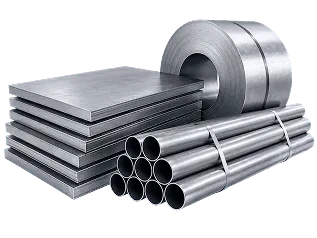
Steel Plate and Steel Sheet: A36 Carbon Steel Grades, Thickness, Sizes, and Applications
Choosing the wrong steel plate or thickness can lead to higher costs, extra fabrication work, and delays. Buyers also face confusing grade names and size options. Understanding the differences between steel plate, steel sheet, and A36 carbon steel helps you make a better purchasing decision.
A steel plate is a flat steel product supplied in a range of thicknesses, grades, and dimensions for industrial and structural use. A steel sheet is generally thinner and often used for forming and lighter fabrication. A36 is a widely used carbon steel grade for structural applications because it offers a practical balance of strength, ductility, and weldability.
1. What Is Steel Plate and How Is It Different from Steel Sheet?
Steel plate is a flat-rolled steel product used in construction, machinery, transportation, energy, and many other industries. It is valued for its strength, durability, and ability to be cut, welded, drilled, and formed into different components. Buyers can select different grades, dimensions, and surface conditions to match their project requirements.
The terms steel plate and steel sheet are sometimes used in similar ways, but they usually refer to different thickness ranges and applications. In many markets, thinner flat products are called sheets, while thicker products are called plates. However, the exact dividing point can vary by standard, supplier, and market. Always confirm the specified thickness rather than relying on the product name alone.
| Comparison | Steel plate | Steel sheet |
|---|---|---|
| Typical thickness | Generally thicker | Generally thinner |
| Common supply form | Flat plates or cut lengths | Sheets or coils |
| Typical applications | Equipment bases, structures, heavy fabrication | Enclosures, panels, formed components |
| Processing | Cutting, drilling, welding, machining | Shearing, stamping, bending, forming |
| Key buying factors | Grade, thickness, size, flatness | Grade, gauge, surface finish, formability |
Which product should you choose? If your project needs a strong, rigid material for load-bearing or heavy-duty components, plate steel may be suitable. If you need a thinner product for bending, stamping, or sheet metal fabrication, steel sheet may be a better fit.
The right choice depends on more than thickness. Consider the design load, forming process, welding method, surface requirements, and applicable material standard before placing an order.
2. What Are the Common Types of Steel Plate?
Not all steel plate products perform in the same way. Their properties depend on chemical composition, manufacturing process, heat treatment, and applicable standards. Selecting the right type helps reduce fabrication issues and supports the service life of the finished product.
Common options include:
- Carbon steel plate: A widely used choice for general structural and industrial fabrication.
- A36 steel plate: A common structural-grade option for buildings, supports, base plates, and equipment components.
- Alloy steel plate: Contains additional alloying elements to achieve specific strength, toughness, or temperature-related properties.
- Stainless steel plate: Selected when corrosion resistance, hygiene, or appearance is important.
- Wear-resistant plate: Used in equipment exposed to abrasion and repeated material impact.
- Boiler and pressure vessel plate: Designed for specified pressure and temperature service under applicable standards.
A carbon steel plate is often selected for its balance of strength, availability, and processing flexibility. Depending on the project, buyers may also compare A572, A516, or other grades. These grades are not interchangeable by name alone. Their suitability must be checked against the design code, required mechanical properties, and operating conditions.
For example, a structural support may use A36, while a pressure vessel requires a grade specified for pressure service. A stainless steel plate may be more appropriate for a corrosive environment. The best choice is the one that meets the actual engineering requirements—not simply the lowest purchase price.
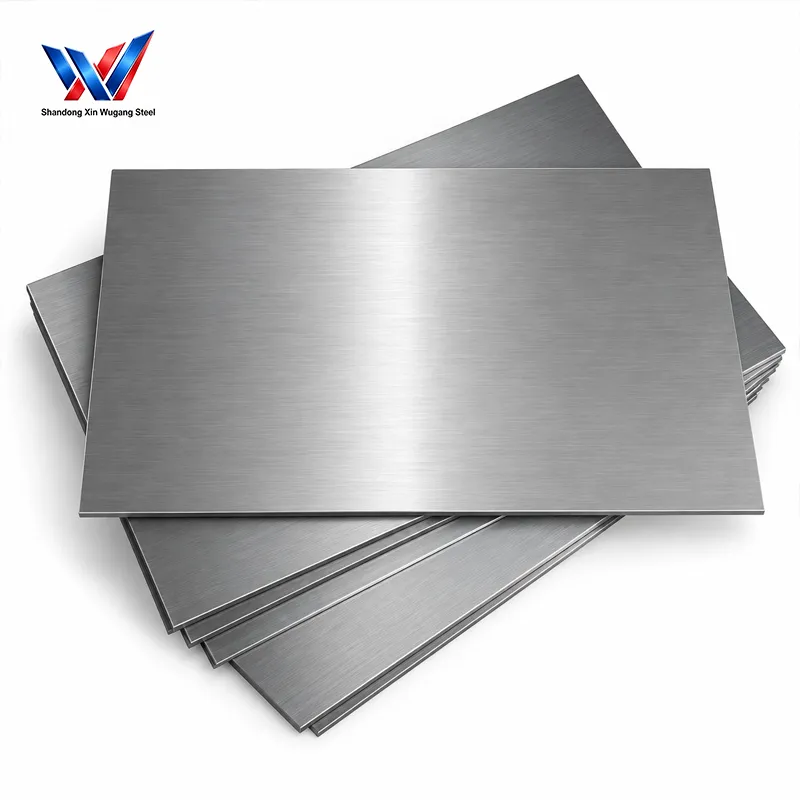
3. How Does Steel Plate Thickness Affect Performance?
Thickness is one of the most important factors when selecting steel plate. It affects stiffness, load capacity, total weight, cutting time, welding requirements, and material cost. A plate that is too thin may not meet the design requirements. One that is unnecessarily thick can increase material and transportation costs.
The required plate thickness should come from the engineering design or project specification. Engineers may consider:
- Applied loads and load distribution
- Span, support conditions, and structural design
- Operating temperature and environment
- Welding details and fabrication method
- Corrosion allowance, where applicable
- Applicable design codes and safety factors
For example, a 6mm plate may suit some covers, panels, or fabricated components, but it should not be assumed suitable for every structural application. Likewise, thicker plate does not automatically mean a better or safer design. The full engineering context matters.
When reviewing thicknesses and sizes, also confirm the permitted tolerance. Actual delivered dimensions may be subject to the relevant product standard and manufacturing tolerances. For a project with tight assembly requirements, discuss thickness, width, length, flatness, and inspection requirements before production or shipment.
4. What Is A36 Steel Plate and Where Is It Used?
A36 is a widely specified carbon steel grade under ASTM A36/A36M. It is commonly used in general structural work because it combines practical strength with good fabrication characteristics. Buyers often consider A36 for beams, brackets, frames, supports, equipment bases, and other structural parts.
An A36 steel plate is generally selected when a project needs a common structural carbon steel grade that can be cut, drilled, and welded using suitable procedures. It is also available in a range of dimensions through steel distributors and international suppliers, subject to stock and mill availability.
Typical uses include:
- Building frames and structural supports
- Industrial platforms and walkways
- Machine bases and support plates
- Brackets, connection plates, and stiffeners
- General fabrication projects
- Equipment frames and structural parts
A36 carbon steel is often described as weldable and formable for common fabrication work. However, welding and forming procedures should still account for material thickness, joint design, equipment, and applicable codes. Buyers should request the correct material documentation and verify that the delivered grade matches the purchase specification.
A36 is not automatically the right grade for every project. Where higher strength, impact toughness, pressure service, or special environmental performance is required, other grades may be more suitable. The engineering specification should guide the final selection.
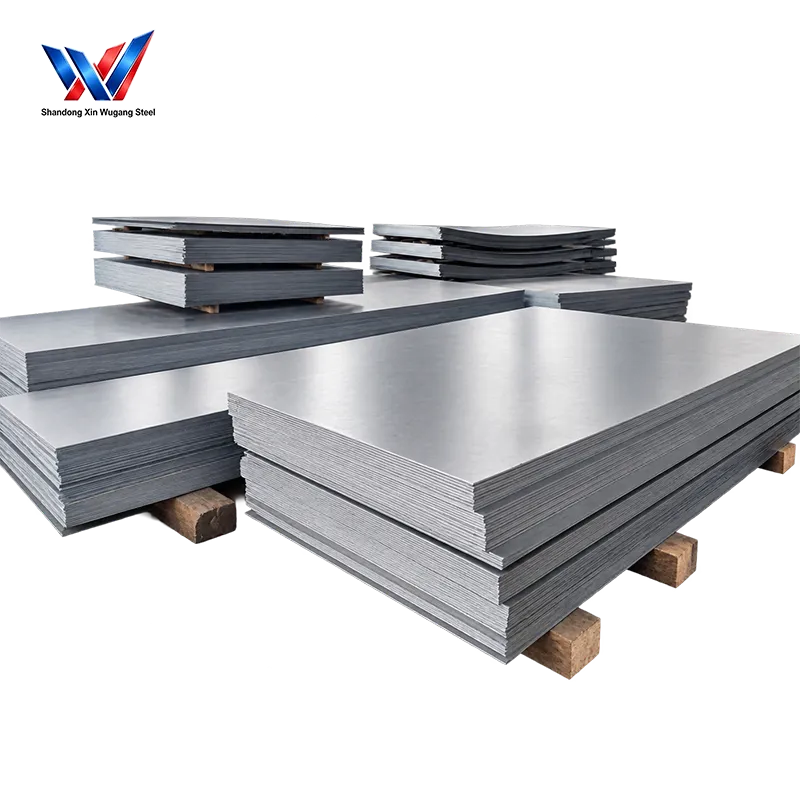
5. How to Read a Steel Plate Thickness Chart
A steel plate thickness chart helps buyers compare nominal dimensions and estimate material weight. It is useful during quotation, transport planning, and preliminary cost calculations. However, a chart is a reference tool—not a replacement for the product standard or the confirmed supplier specification.
A typical chart may include:
| Item | What it tells you | Why it matters |
|---|---|---|
| Thickness | Nominal plate thickness | Influences strength, weight, and fabrication |
| Width | Side-to-side dimension | Determines material coverage and cutting layout |
| Length | End-to-end dimension | Affects nesting, transport, and project fit |
| Weight per unit | Estimated mass for a given size | Supports freight and cost estimates |
| Grade | Material designation | Confirms intended mechanical and chemical properties |
| Standard | Applicable specification | Defines testing, tolerances, and requirements |
When using a steel plate thickness chart, make sure the units are consistent. Gauge numbers can be confusing because the relationship between gauge and thickness depends on the material and gauge system. For example, 10 gauge does not represent the same thickness for every metal. Always confirm the actual thickness in millimeters or inches on the order.
6. What Are the Mechanical Properties of A36 Carbon Steel?
Mechanical properties help engineers determine whether a grade is suitable for a particular application. For A36, buyers commonly review yield strength, tensile strength, elongation, and ductility. These values describe how the material responds to stress and deformation.
The required values and testing conditions should be checked against the current ASTM specification and the applicable product form and thickness. Do not rely on a generic online table as the sole basis for design or acceptance.
| Property | What it means | Why it matters |
|---|---|---|
| Yield strength | Stress at which permanent deformation begins | Helps assess structural design requirements |
| Tensile strength | Maximum stress reached during a tensile test | Indicates resistance to pulling forces |
| Elongation | Amount of extension before fracture | Helps assess deformation capacity |
| Ductility | Ability to deform without breaking | Relevant to forming and structural behavior |
| Chemical composition | Levels of carbon and other elements | Influences processing and material behavior |
For A36, the specified minimum yield strength is commonly stated as 36 ksi (approximately 250 MPa) for applicable thickness ranges under ASTM A36/A36M. Requirements can vary with product form and thickness, so the current standard and material test certificate should be checked for the actual order.
A36 is often chosen because it offers a practical combination of strength and ductility. It can support many common fabrication operations, including cutting and welding, when the correct procedures are used. For more demanding applications, compare the required mechanical properties with alternative grades such as A572 Grade 50 or other project-approved materials.
7. What Stock Sizes Are Available for Steel Sheet and Plate?
Stock sizes vary by supplier, steel mill, grade, thickness, and destination market. Common dimensions may be available for standard orders, while less common combinations may require mill production or customized processing. Buyers should not assume that every grade is available in every size.
When checking stock sizes, prepare a clear specification covering:
- Grade and standard: For example, ASTM A36, where suitable for the project.
- Thickness: State the required nominal value and tolerance.
- Width and length: Provide exact dimensions or acceptable ranges.
- Quantity: Give the number of pieces or total tonnage.
- Surface condition: Specify the required finish and any coating.
- Documentation: Confirm whether an MTR or other inspection documents are required.
A buyer sourcing sheet steel for enclosures may focus on surface finish, flatness, and forming performance. A contractor ordering thick plate for base plates may focus more on grade, dimensions, cutting accuracy, and traceability.
A supplier should confirm whether the requested product is available from stock, can be sourced from a partner mill, or needs a new production arrangement. This helps avoid delays caused by unclear specifications or unrealistic delivery expectations.
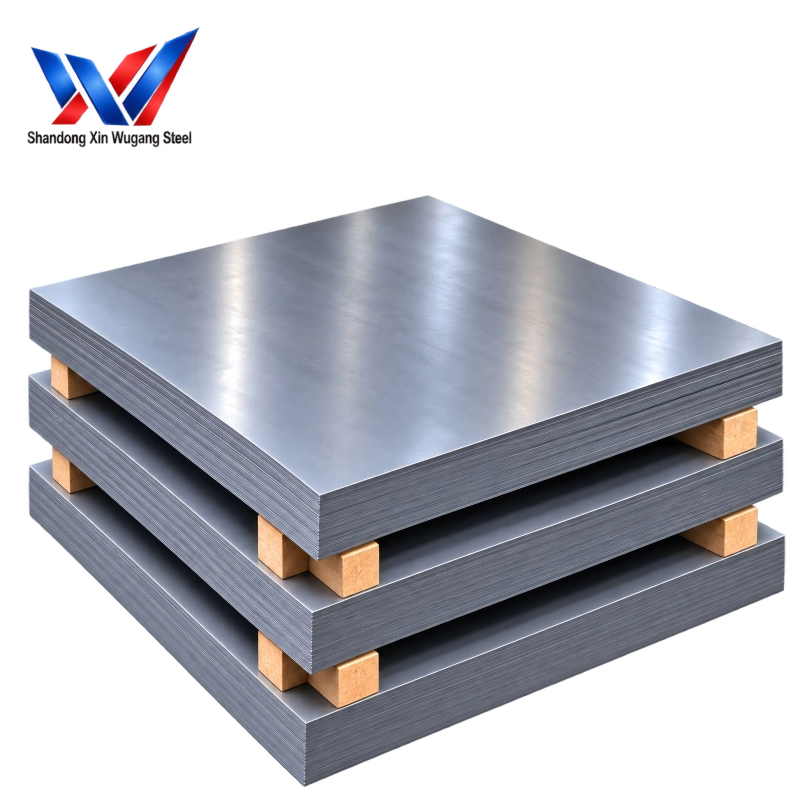
8. How Do You Choose Between Hot Rolled and Cold Rolled Steel?
Hot rolled and cold rolled products are made through different processing routes. The choice affects surface finish, dimensional accuracy, mechanical characteristics, and cost. Neither process is universally better; the right option depends on the intended application.
Hot rolled steel is processed at high temperatures. It is commonly used for structural products and applications where a smooth, highly controlled surface is not the main priority. Hot-rolled sheet and plate products are often considered for general fabrication, structural components, and industrial equipment.
Cold rolled steel is processed further at or near room temperature after hot rolling. This process can provide tighter dimensional control and a smoother surface finish. A cold rolled steel sheet may be preferred for formed parts, cabinets, panels, and products where appearance and surface quality matter.
| Factor | Hot rolled | Cold rolled |
|---|---|---|
| Surface finish | Usually less smooth | Usually smoother |
| Dimensional control | Depends on product and standard | Often tighter |
| Common uses | Structural and general fabrication | Formed parts and appearance-sensitive components |
| Selection focus | Grade, dimensions, strength, processing | Finish, thickness, flatness, formability |
For heavy structural work, hot rolled steel plate is often a practical choice. For products that need more precise dimensions or a smoother surface, cold rolled material may be more suitable. Always compare the actual specification, not just the process name.
9. When Should You Order Custom Size Steel Plate?
Standard dimensions are not always the best fit for a project. Custom size material can reduce cutting waste, simplify fabrication, and help buyers match their design drawings. It may also make sense when the required grade and dimensions are not readily available as standard stock.
Depending on product availability and processing arrangements, customization may include:
- Cutting plates to specified lengths and widths
- Slitting coils into narrower strips
- Surface treatment or coating options
- Edge preparation and marking
- Protective packaging for export
- Bundling and shipment according to project requirements
For CNC cutting and other precision fabrication work, confirm drawing revisions, dimensional tolerances, edge requirements, and inspection criteria before processing. A custom cut order should include clear technical details and an agreed inspection method.
A buyer may also compare the cost of standard stock plus local cutting against a cut-to-size supply arrangement. The best option depends on order quantity, material utilization, processing cost, transport, and delivery schedule.
10. How Can You Source Steel Plate for Industrial Projects?
Reliable metal supply involves more than finding a low price. Overseas buyers need to confirm the grade, specification, dimensions, quality documents, processing capability, packaging, and shipping arrangements. A small gap in the purchase specification can lead to costly delays later.
When evaluating a supplier or service center, consider the following:
- Product range: Can the supplier coordinate the required plate, sheet, coil, pipe, bar, and related steel products?
- Specification control: Can it confirm grade, standard, thickness, dimensions, and tolerances?
- Quality documentation: Can it provide the agreed material test reports and inspection records?
- Processing services: Can it arrange cutting, slitting, coating, or other required processing?
- Export experience: Can it coordinate packaging, shipping, and export documents?
- Communication: Can it respond clearly to technical and commercial questions?
At Shandong Xin Wugang Steel Co., Ltd., we support overseas B2B buyers with steel and non-ferrous metal sourcing from China. Our product range covers steel plate, steel sheet, steel coil, steel pipe, steel bar, structural sections, wire and mesh, abrasives and grinding media, copper, aluminum, and lead products.
For buyers managing several product categories or project schedules, one-stop sourcing can simplify communication and procurement. We work with established steel supply partners and coordinate product specifications, customized processing, quality inspection, and international logistics according to order requirements.
A Practical Example: Sourcing Plate for an Industrial Project
Consider a contractor preparing steel components for an industrial facility. The project may require structural plate, support components, steel sections, and pipes. Buying each item from a separate supplier can create extra work around specifications, documentation, packaging, and shipment coordination.
A consolidated sourcing process can help the buyer:
- Submit drawings, material grades, dimensions, and quantities.
- Review available supply options and quotations.
- Confirm processing and inspection requirements.
- Approve the order specifications before supply.
- Coordinate packaging and export shipment.
This is an illustrative procurement workflow, not a claim about a specific completed customer project. Actual product availability, processing options, documents, and lead times should be confirmed for each order.
Request a Steel Plate Quotation
If you are sourcing A36 steel plate, carbon steel sheet, or other steel products for construction, machinery, energy, shipbuilding, or industrial fabrication, prepare your required grade, thickness, dimensions, quantity, destination port, and documentation needs.
Contact Shandong Xin Wugang Steel Co., Ltd. to discuss your material requirements and request a quotation. Our team can help review the specification and coordinate a suitable supply arrangement for your project.
- Email: Sara@x-wusteel.com
- Phone / WhatsApp: +86 19863513853
- Website: https://x-wusteel.com/
FAQ
What is the difference between steel plate and steel sheet?
Steel plate is generally thicker and often used for structural components, equipment, and heavy fabrication. Steel sheet is generally thinner and more common in panels, enclosures, and formed parts. The exact distinction depends on the applicable standard and market, so confirm the specified thickness.
Is A36 steel plate suitable for welding?
A36 is commonly used in welded structural fabrication. However, the welding procedure should consider material thickness, joint design, consumables, preheat requirements where applicable, and the relevant fabrication code.
How do I calculate steel plate weight?
For a rectangular carbon steel plate, an approximate theoretical weight in kilograms is length in meters × width in meters × thickness in millimeters × 7.85. Actual weight may vary with dimensions and tolerances.
What is the difference between A36 and A572 Grade 50?
Both are structural carbon steel grades, but their specified mechanical properties differ. A572 Grade 50 is commonly selected when higher specified strength is required. The correct choice depends on the structural design, applicable standard, thickness, and project approval.
Can steel plate be cut to custom dimensions?
Yes, custom cutting may be available depending on the grade, thickness, dimensions, quantity, and processing arrangement. Buyers should provide drawings or a clear cutting list and confirm tolerances before ordering.
What information should I provide when requesting a steel plate quotation?
Provide the grade and standard, thickness, width, length, quantity, surface or processing requirements, inspection documents, and destination port. Drawings or a detailed material list can help the supplier prepare a more accurate quotation.